Stop Guessing: How Accurate Diagnosis Determines the Right Treatment
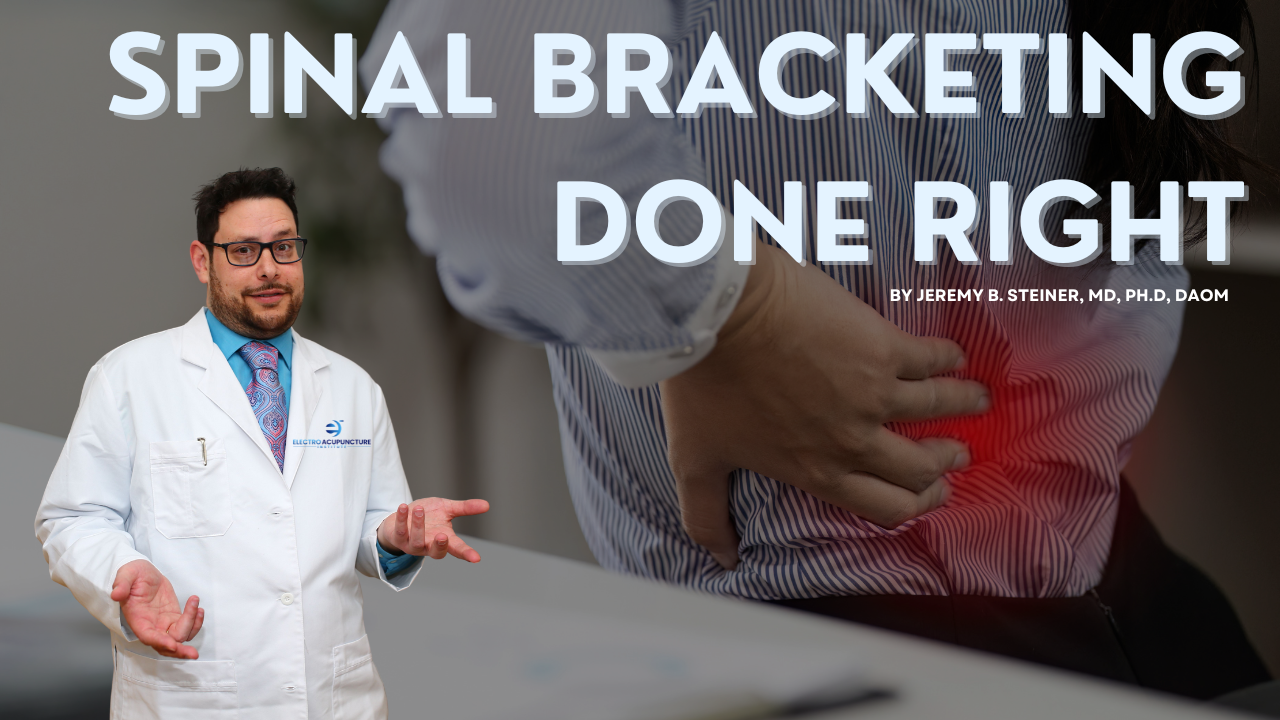
One of the biggest reasons treatments fall short isn’t technique—it’s diagnosis. When you clearly identify the functional problem, the protocol becomes obvious. In this clinical walkthrough, Dr. Jeremy Steiner demonstrates how accurate diagnosis directly determines treatment decisions, using spinal bracketing, blood electric, and frequency selection to regulate vascular flow and improve outcomes.
Watch the Training Below
📥 Free Resource: Improve Diagnostic Accuracy
To help you apply this approach more consistently, we’ve made a free resource available:
Stop Guessing – Master Accurate Diagnoses for Better Patient Outcomes
This practical reference is designed to help you move from uncertainty to clarity by strengthening your diagnostic process and improving clinical precision.
👉
From Diagnosis Comes the Protocol
As demonstrated in the video, diagnosis is not separate from treatment—it is the foundation of the protocol. When a patient presents with knee pain, the question isn’t simply where the pain is located, but which neural levels are responsible for regulating blood flow and function to that area.
For vascular regulation to the lower body, thoracic and lumbar levels from T10 through L2 play a critical role. These levels influence blood flow to the hips, knees, and lower extremities. When these neural levels are deficient, the tissue they supply cannot receive adequate charge, circulation, or regulation.
This is why spinal bracketing is not interchangeable. Choosing T1–T4 versus T10–L2 changes the physiological outcome of the treatment. These numbers are not arbitrary—they are set based on anatomy, neurology, and vascular distribution.
Why “Magic Levels” Matter
Certain neural levels consistently show up as high-impact points in treatment. Levels such as T2 and L2 often act as amplifiers when included in a bracket. Incorporating them improves regulation through the channel system and supports broader physiological balance, especially when working with vascular or systemic conditions.
Even when working from dermatome charts for pain and inflammation, the underlying principle remains the same: identify the deficient neural level, then regulate it appropriately. Accuracy matters more than perfection. When in doubt, choosing slightly lower rather than higher often yields better results.
Blood Electric and Frequency Selection
Blood electric plays a central role in restoring charge throughout the body. Because blood carries electrical potential, using blood electric allows charge to be redistributed to deficient tissues and organs.
Frequency selection further refines the treatment. Lower frequencies such as 4.6 Hz support blood electric and endorphin production, while higher frequencies like 73–80 Hz help regulate sympathetic dominance and support GABA-related calming effects. When multiple frequencies are used, the body selects what it needs—another reason accuracy in diagnosis matters more than rigid protocols.
A System That Works With Any Style
Spinal bracketing is not a replacement for other acupuncture systems—it integrates with them. Whether you practice Master Tung, Kiko, trigger point work, or another approach, combining two needles from your preferred system with a spinal bracket enhances regulation and consistency.
The principle remains the same: diagnose accurately, bracket appropriately, and let the body respond.
Better Diagnosis, Better Outcomes
When diagnosis improves, results follow. Instead of guessing, you begin to see patterns—neural deficiencies, vascular regulation issues, and functional imbalances that explain why symptoms persist. This shift alone can dramatically improve clinical outcomes and patient confidence.
If there’s one takeaway from this demonstration, it’s this: stop guessing, and let diagnosis guide everything that follows.
Best Dr. Jeremy
Take the Next Step
Watch it on YouTube: https://youtu.be/9TODvehQr94
Watch the full training and learn the terrain pain protocol step-by-step here: https://electroacupunctureinstitute.com/94
Stay curious, keep testing, and keep exploring the bridge between the body’s electrical and biological systems—because understanding that connection is where real healing begins.
Jeremy Steiner, MD, PhD, DAOM
Head Educator at The Electro Acupuncture Institute
For more great trainings go here: https://electroacupunctureinstitute.com/blog/